
Clotho eSpinner
Released Aug 2026An electric spinning wheel built around a 94 W closed-loop brushless motor, with a 3D-printed frame, an optional foot pedal, and a bobbin change that doesn’t need any tools. Parts run about $98 a wheel if you split packs with a friend, or about $194 if you buy the whole list yourself.
Design notes: why the flyer is held at both ends, the bearing saga, and the spine that got deleted →
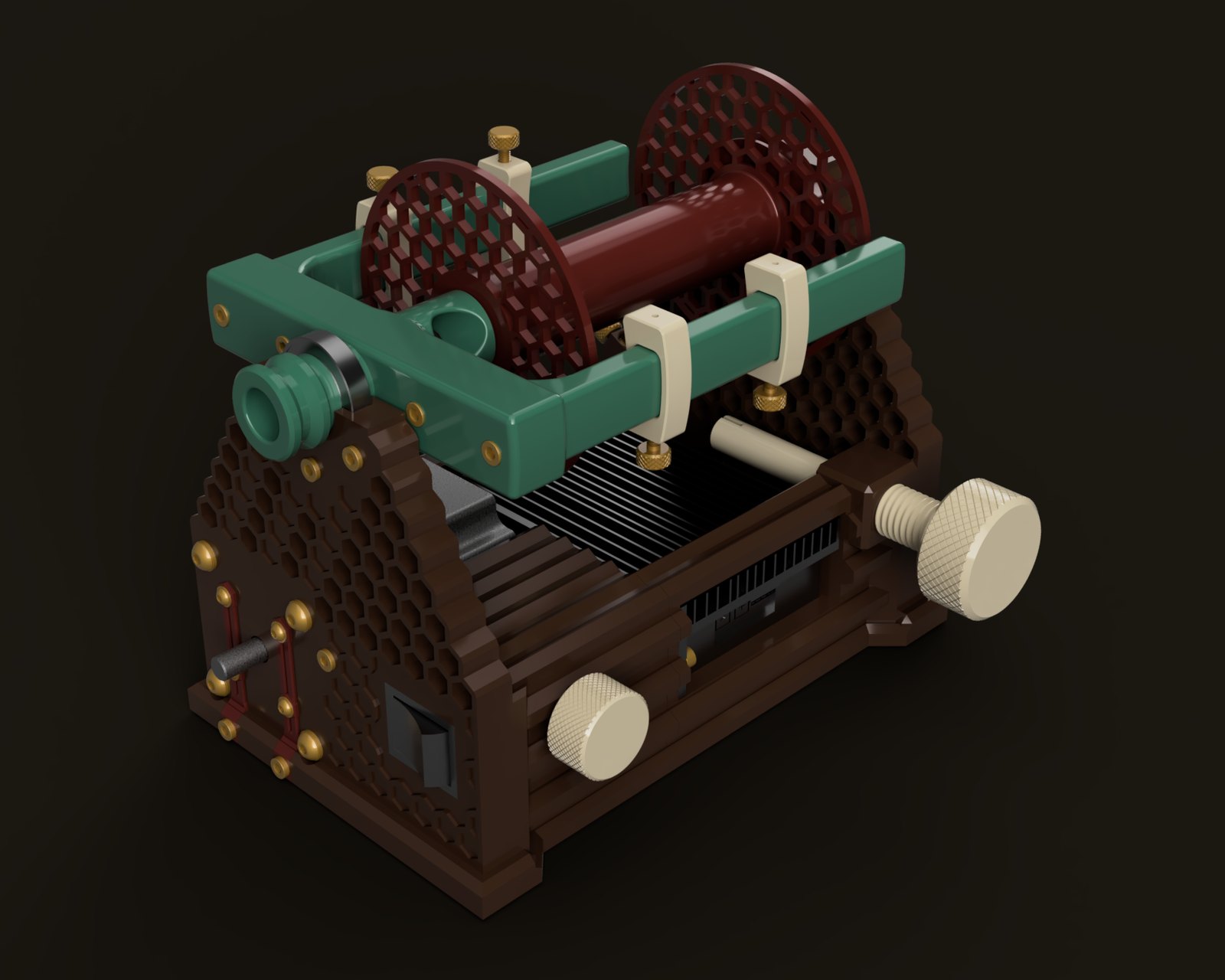
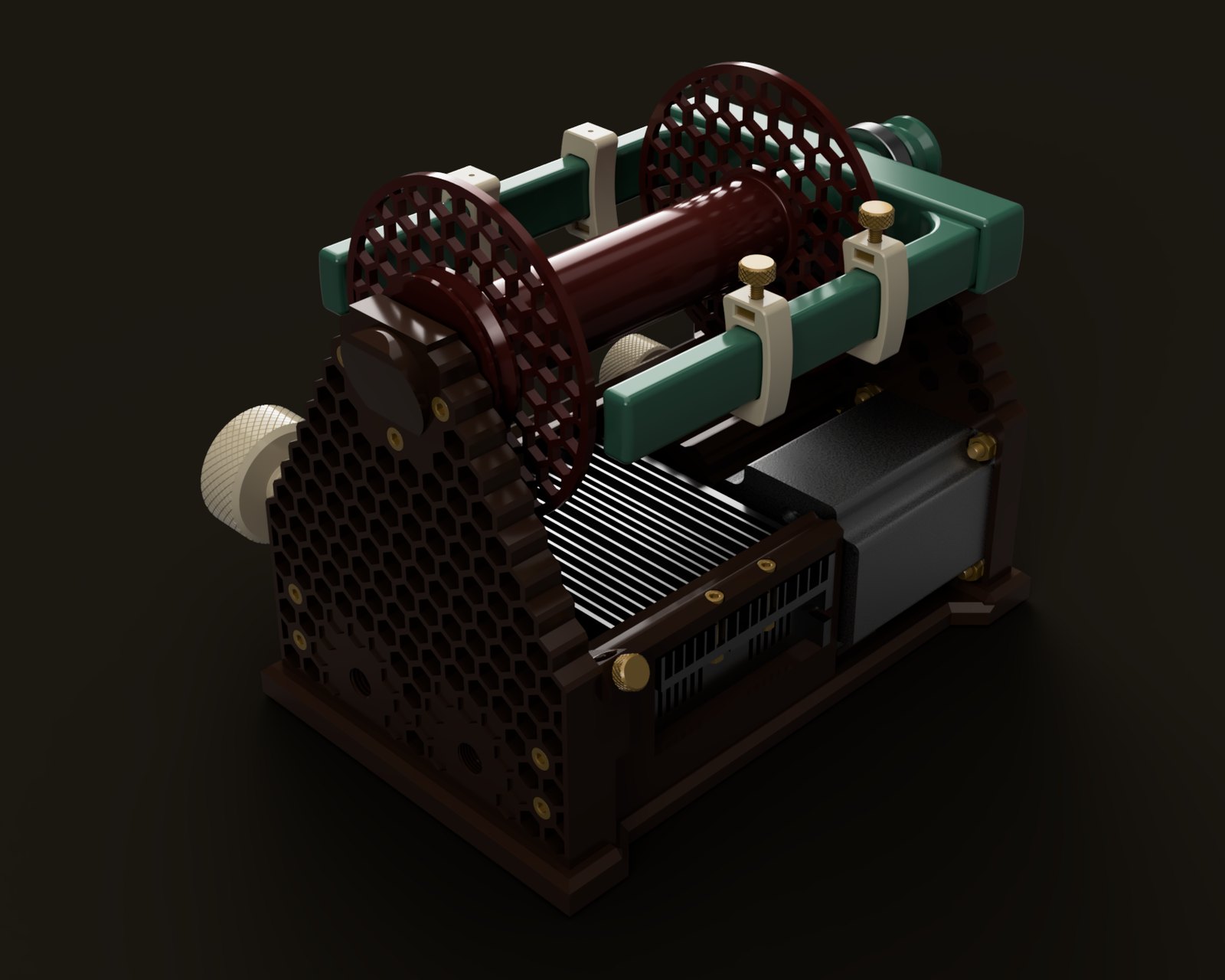
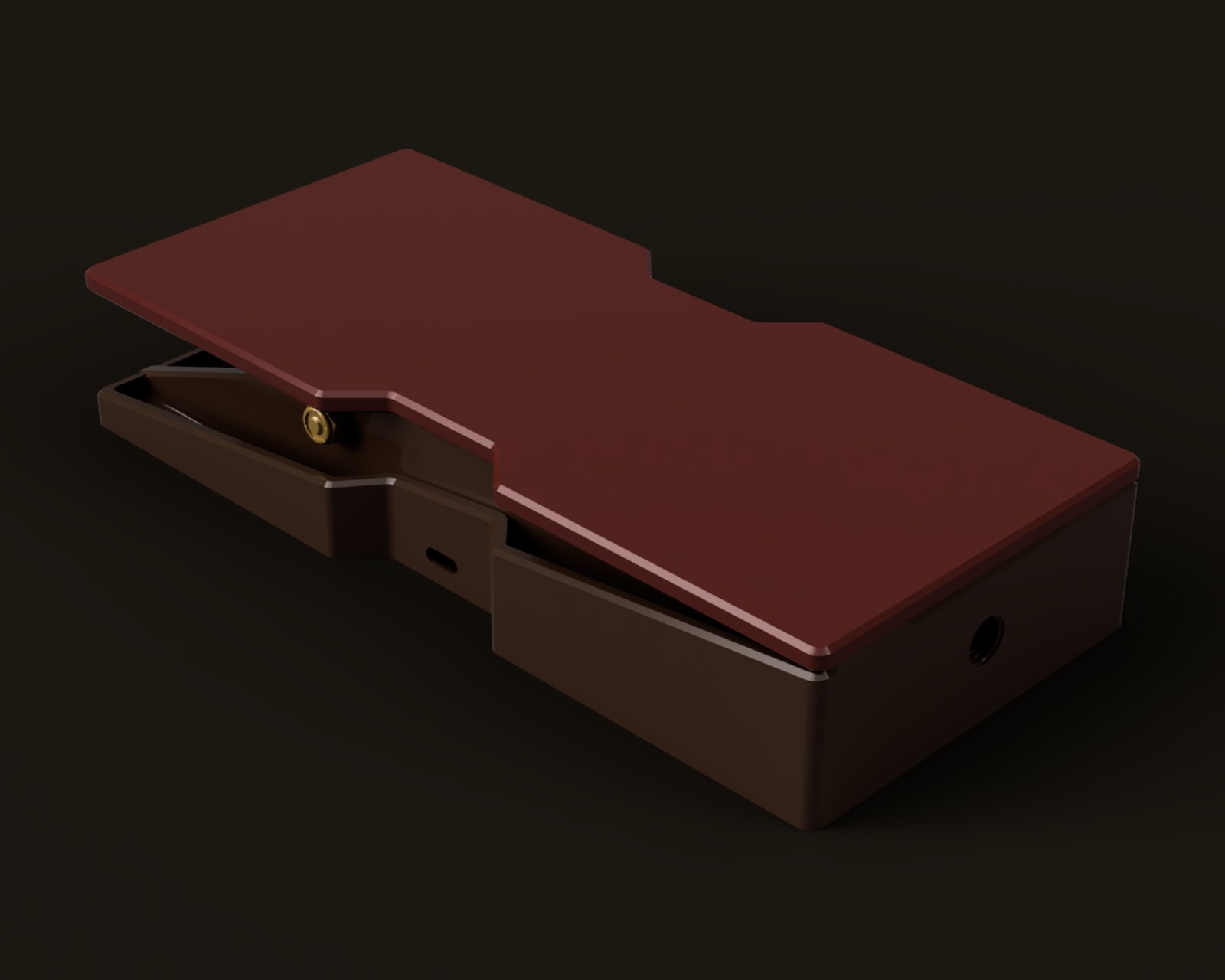
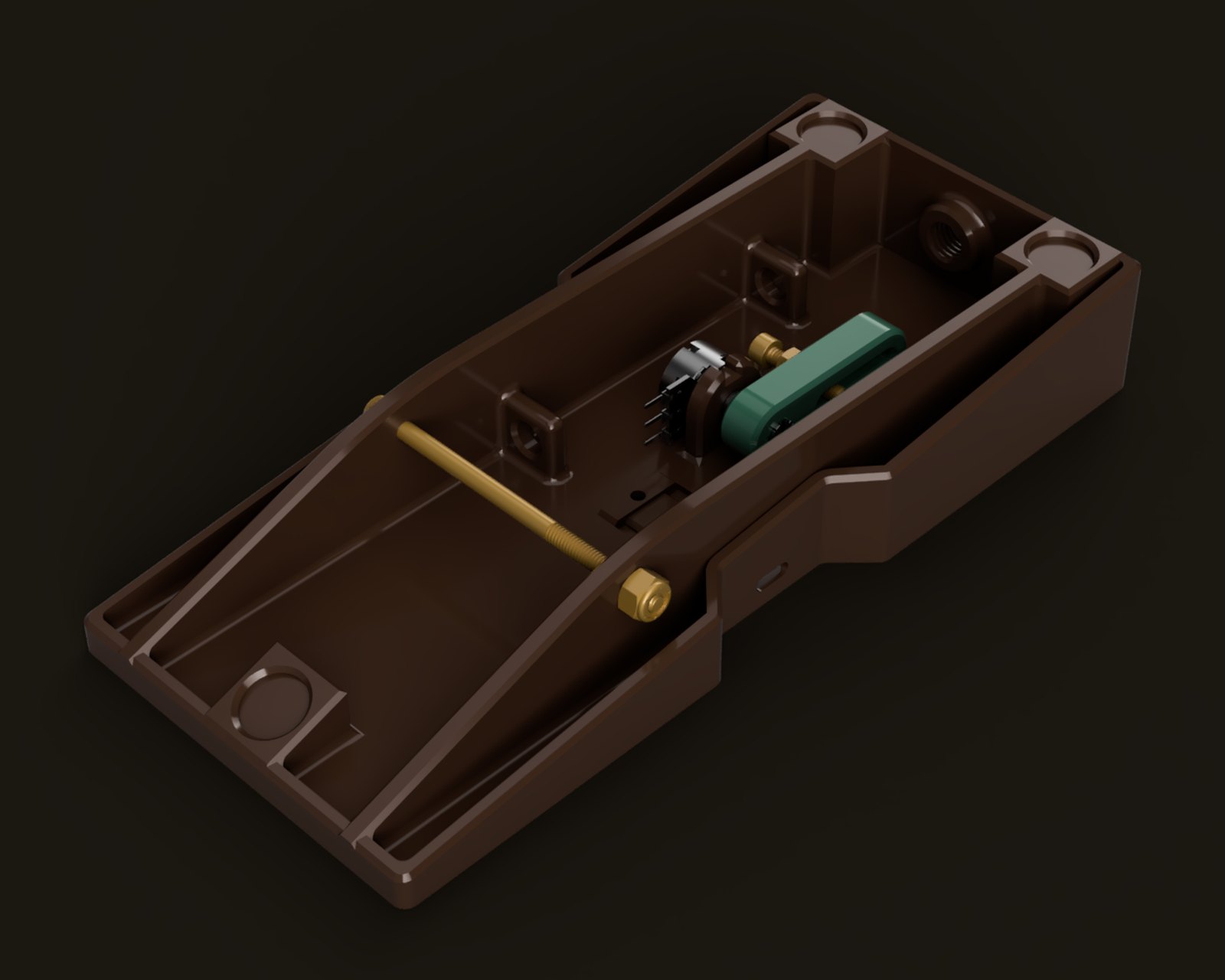
Renders from the published model, in the radio colors (more colors below).
Specs
- Flyer speed
0–3,000 RPM, 1:1 drive - Bobbin capacity
About 12–16 oz (estimated) - Orifice
15 mm, with more sizes on the way - Flyer
Supported at both ends, tool-free bobbin change - Speed control
Panel knob, or foot pedal via a TRS jack - Noise
Quieter than a sewing machine, with some wind noise at high speed - Size
About 186 mm wide, 228 mm long and 149 mm tall (7.3 × 9 × 5.8 in) - Weight
About 2.3 kg (5 lb) - Motor
57BSD76 BLDC, NEMA 23 frame, 94 W, 24 V - Driver
BLD-510B closed-loop BLDC controller
Build notes
- Cheap 8 mm rod is usually sheared to length, which squashes the ends. If a bearing won’t go on, it’s probably the rod. Carefully machine them to size with a lathe or mill (or chuck them into a cordless drill and run them against a file and a handful of sandpaper).
- Print the structural parts in PETG, especially the flyer arms. PLA may not hold up to the load there, or to the heat wherever it ends up living.
- PETG starts going soft around 80 °C (175 °F) and PLA well before that. This shouldn’t need saying, but one Clotho has already melted in the Arizona sun, so if you live somewhere that hot and spin inside cars with the windows rolled up, print it in ABS or ASA.
- The driver ships set to full speed and full current, which is more than the motor is rated for. Turn both trim pots all the way down before you power it up the first time, then bring them up.
- Plugging in the foot pedal disconnects the knob on the spinner. A Pro Micro reads the pedal and sends PWM to the driver, and you calibrate it over serial.
Color ideas
Clotho is a lot of separate parts, so it doesn’t have to be one color. In case you can’t decide, here are a few ideas. The frame is the risers, base, electronics housing and brake retainers, the flyer is the body, arms and orifice, and the accents are the knobs, hooks and motor mounts. Each riser is two halves, so the inner halves (the ones that face each other) can be a different color from the outer ones, and it shows through the hexes. The hardware colors are just for the renders; your screws will be whatever color the screws on the parts list are.
Radio. Dark brown frame, jade flyer, oxblood bobbin and motor mounts, ivory knobs and hooks, brass hardware. The pedal gets a brown base, an oxblood top and a jade yoke. The radio I’d have dreamed about (in black and white) if I’d been born in 1925.
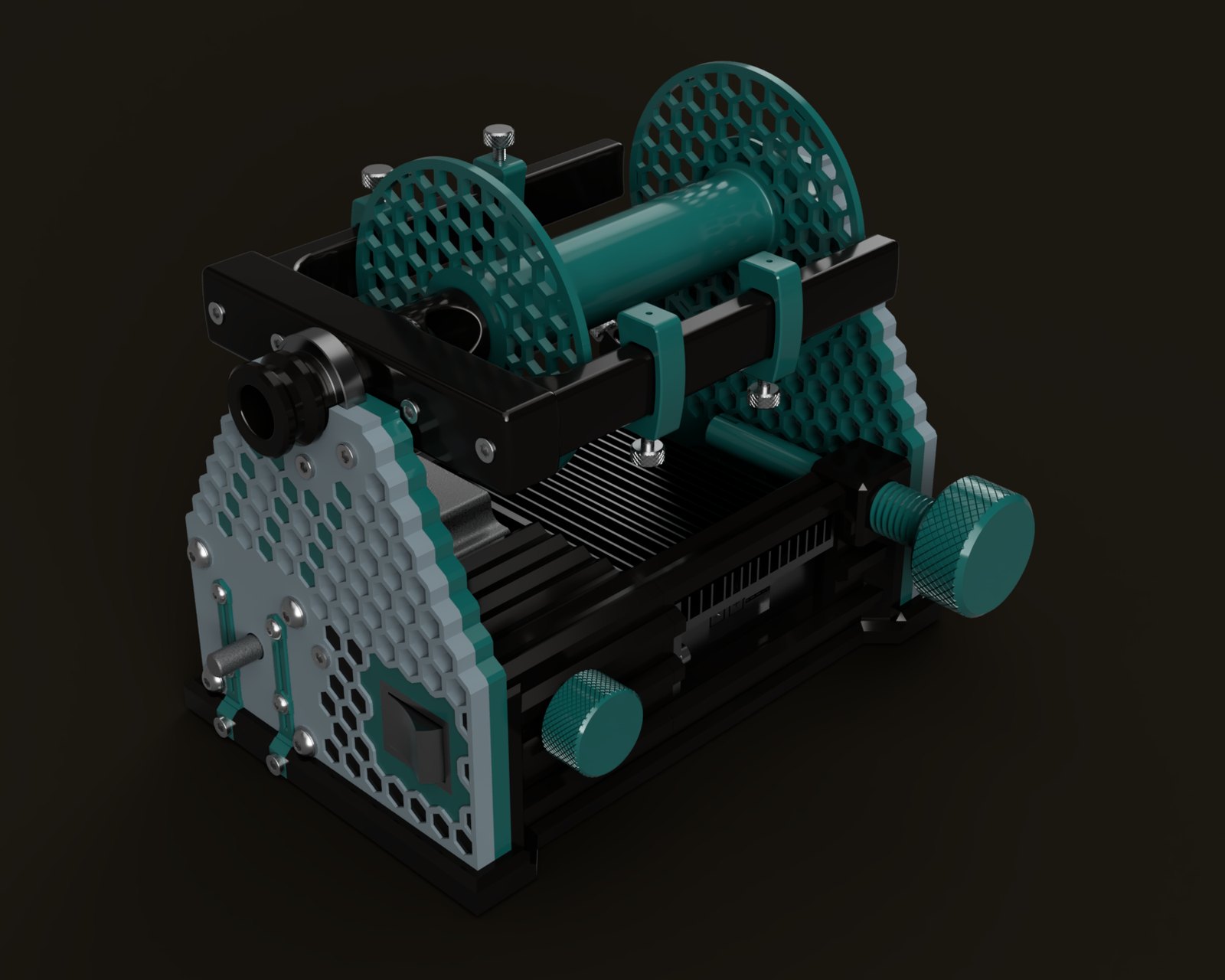
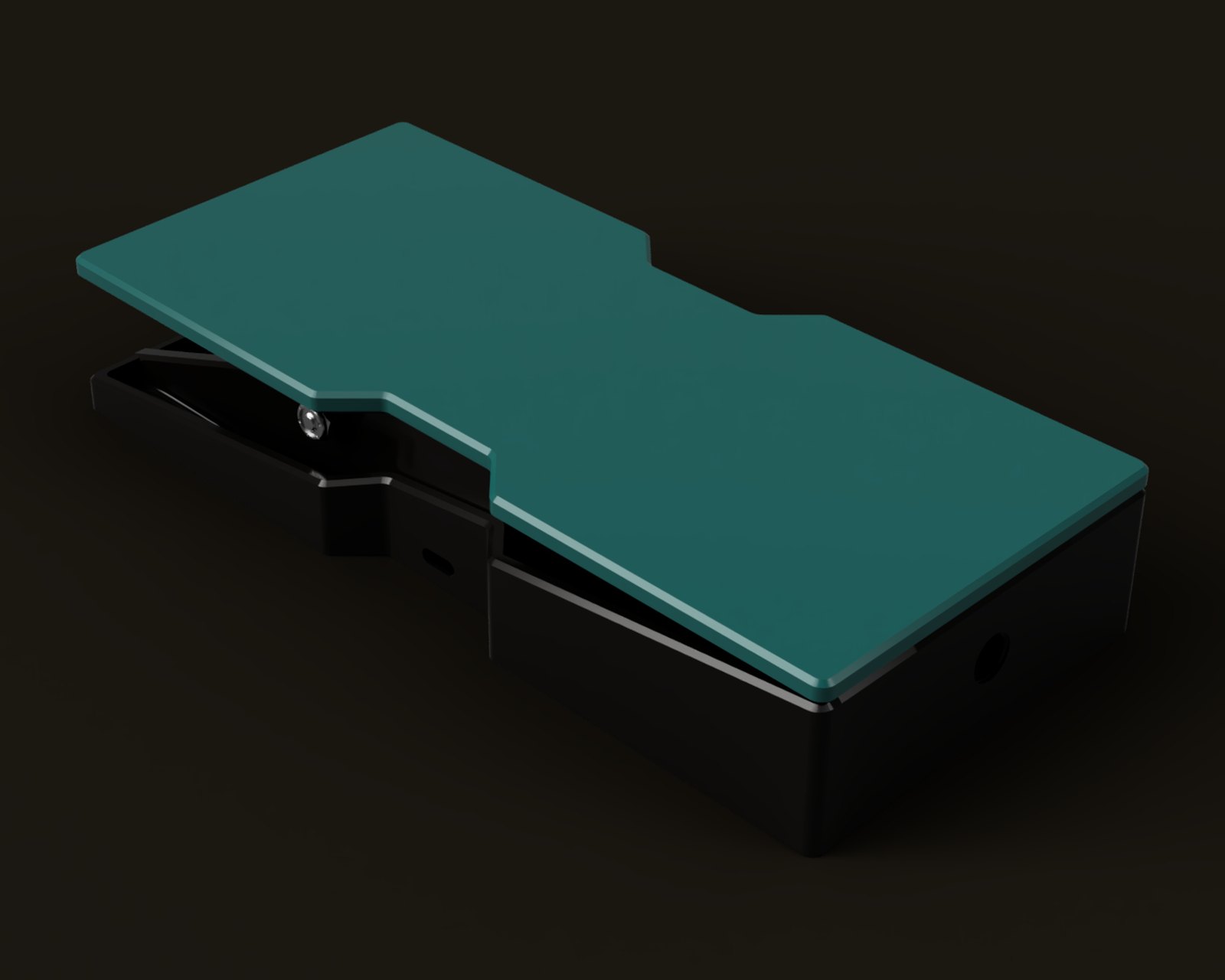
Test bench. Gray outer riser halves with teal inner halves, black for the base, electronics housing, brake retainers and flyer, and teal for the bobbin, knobs, hooks and motor mounts, with stainless hardware. Black pedal base with a teal top and yoke.
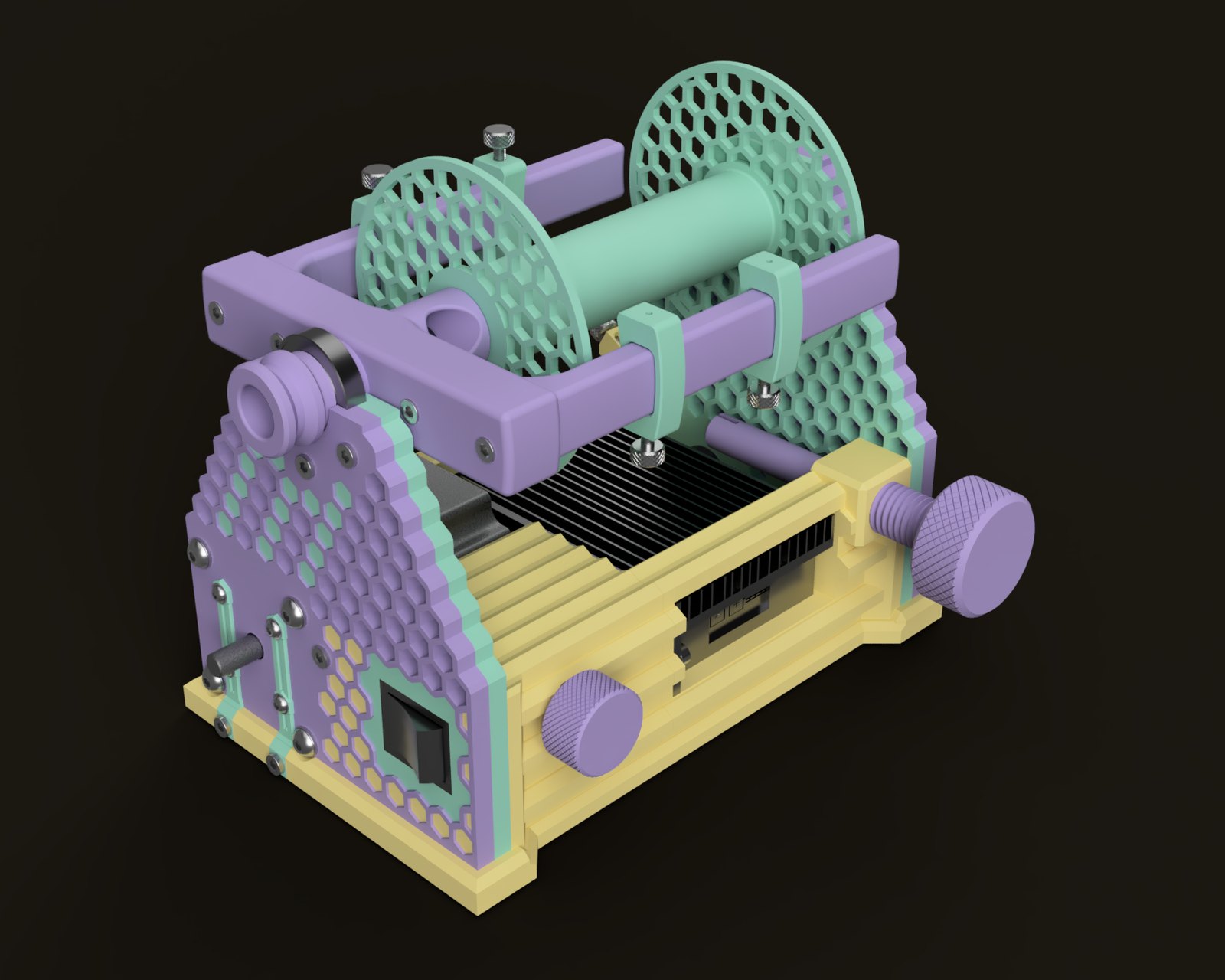
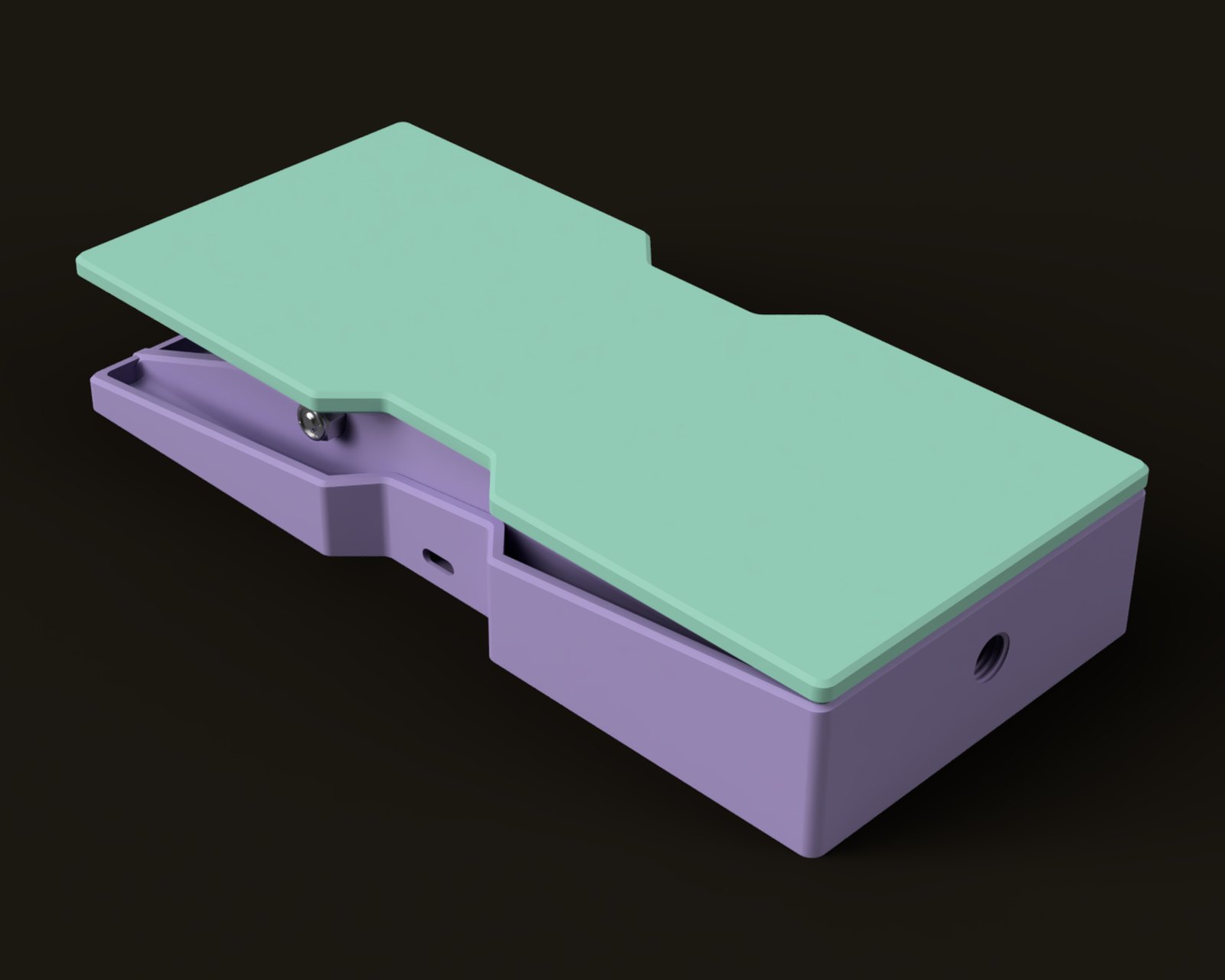
Lavender. Lavender outer riser halves with mint inner halves, butter for the base, electronics housing and brake retainers, lavender flyer and knobs, and mint for the bobbin, hooks and motor mounts, with stainless hardware. Lavender pedal base, mint top, butter yoke.
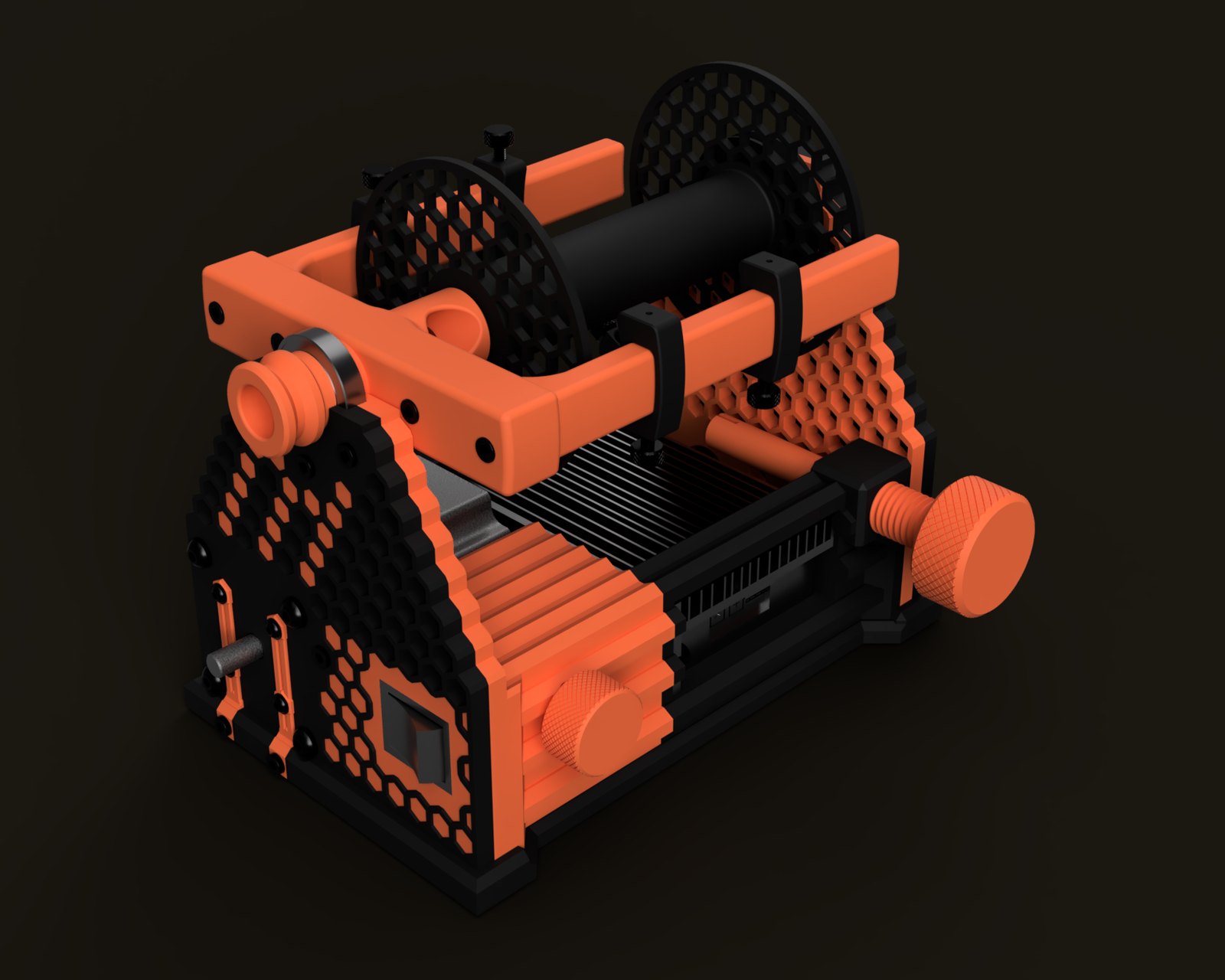
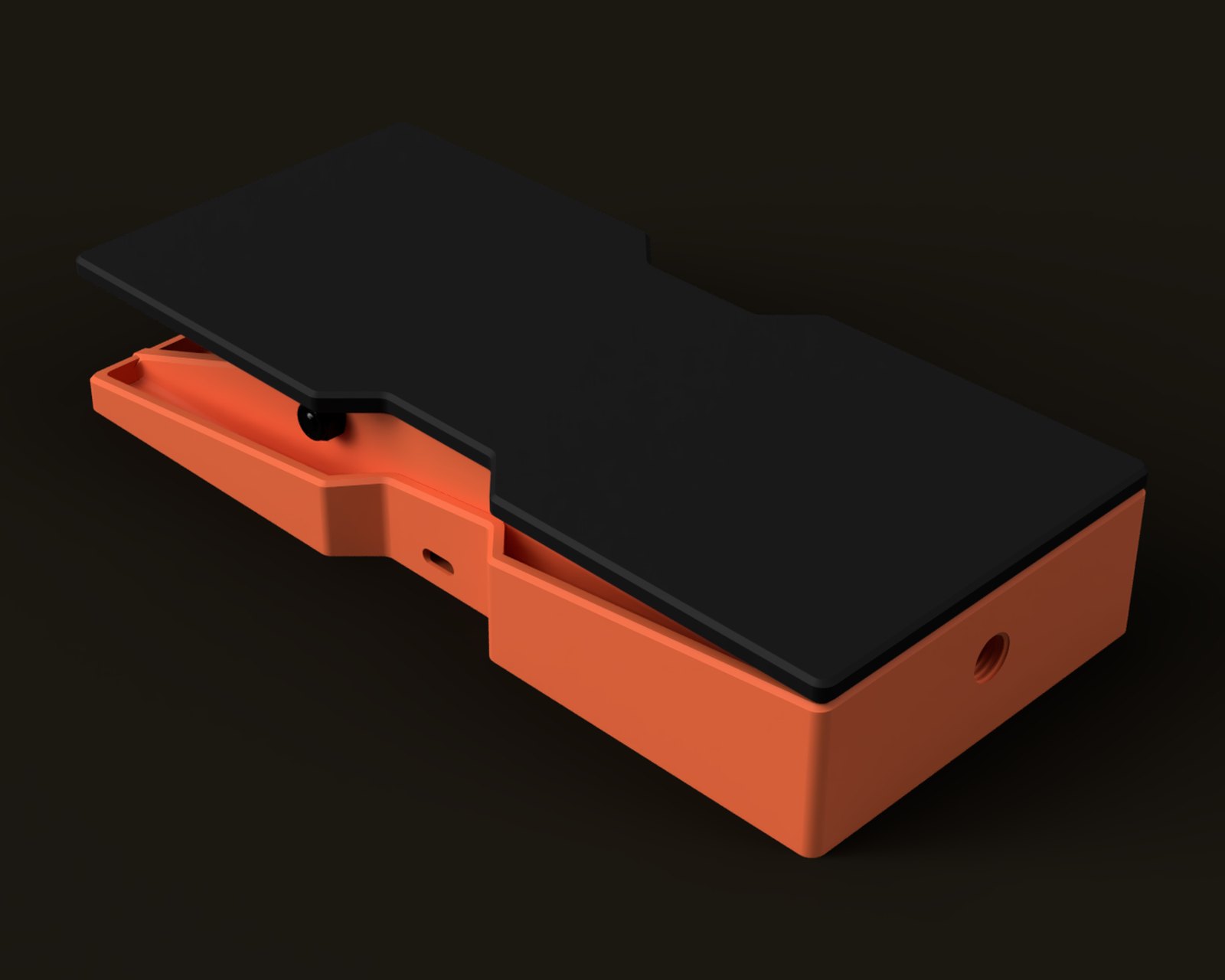
Prusa. Black frame with Prusa orange inner riser halves and electronics housing, an orange flyer, knobs and motor mounts, a black bobbin and hooks, and black hardware. Orange pedal base with a black top and an orange yoke. Two rolls and you’re done.
Files
Everything you need to build one: the parts list with sources, the full STEP model, 8 printable 3MF assemblies, build and setup instructions, and the foot pedal firmware. It’s all CC BY-SA.
Get the files on Printables → View on GitHub Parts list and build guide Foot pedal setup